Food waste is a significant issue that affects both the environment and our wallets. By making a few simple changes in our daily routines, we can significantly reduce the amount of food we waste. Here are some effective strategies to help you get started.
Plan Your Meals
One of the best ways to reduce food waste is by planning your meals in advance. Before you go grocery shopping, take inventory of what you already have at home. This will help you avoid buying items you don’t need. Create a meal plan for the week, including breakfast, lunch, and dinner. Write a shopping list based on this plan and stick to it when you’re at the store.
Store Food Properly
Proper food storage can extend the life of your groceries. Make sure your refrigerator is set to the correct temperature, typically below 40°F (4°C). Store fruits and vegetables in the appropriate drawers and use airtight containers for leftovers. Additionally, learn which items are best stored in the fridge and which can be kept at room temperature.
Understand Expiration Dates
Many people mistakenly throw away food based on the “sell by” or “use by” dates. These dates are often indicators of peak quality rather than safety. Trust your senses—look, smell, and taste food before discarding it. If it looks and smells fine, it’s likely still safe to eat.
Repurpose Leftovers
Get creative with your leftovers. Transforming leftovers into new meals can be a fun and delicious way to reduce waste. For example, roast chicken can be used in salads, sandwiches, or soups. Vegetables can be added to stir-fries, omelets, or blended into sauces.
Compost Food Scraps
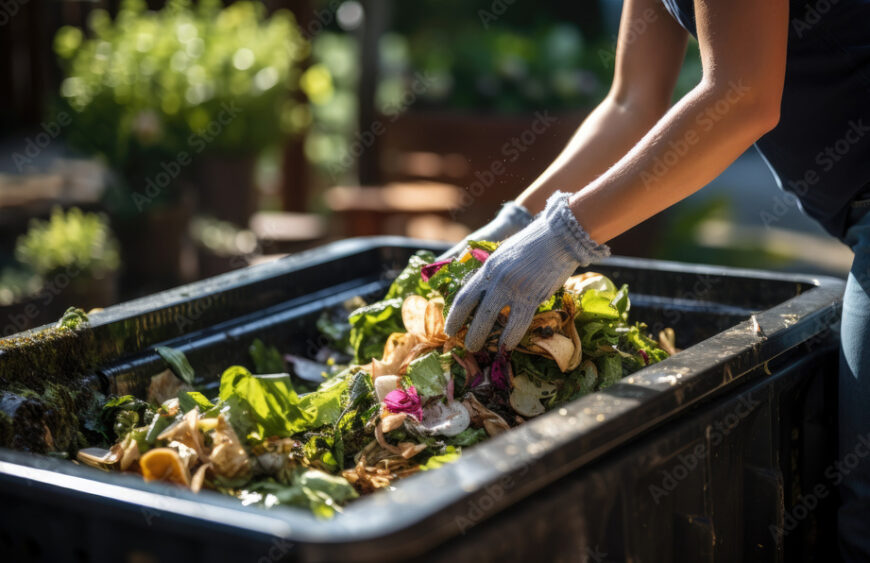
Composting is an excellent way to reduce food waste and enrich your garden. You can compost fruit and vegetable peels, coffee grounds, eggshells, and more. If you don’t have a backyard, many communities offer composting programs or bins that you can use.
Buy in Smaller Quantities
Buying in bulk can be tempting, but it often leads to waste if you don’t consume the items quickly enough. Purchase fresh produce and perishable items in smaller quantities more frequently. This ensures you always have fresh ingredients on hand and reduces the likelihood of spoilage.
Freeze Excess Food
Freezing is a great way to preserve food that you can’t use right away. Many items, including bread, meat, and vegetables, freeze well. Label your frozen items with the date and try to use them within a reasonable time frame to maintain quality.
Share with Others
If you have excess food that you know you won’t be able to use, consider sharing it with friends, family, or neighbors. This can be especially helpful during holidays or events when you might have an abundance of leftovers.
By implementing these strategies, you can significantly reduce food waste in your home. Not only will this help the environment, but it will also save you money and make your household more efficient. Start with small changes and gradually incorporate more practices into your routine to make a big difference over time.